What Does It Mean to Be Overstimulated?
In today’s post, we’ll explore the term “overstimulation” and explore symptoms, causes, and ways to manage this experience. There is a pretty good chance that you have experienced being overstimulated throughout your life. Some of us experience overstimulation more than others, but it is a pretty common nervous system response to the sensory information you’re attempting to process. Let’s dive in!

Overstimulation can make you feel fatigued, frazzled, irritable, or burnt out. It can also make you feel hyper or overexcited.
What is Overstimulation?
Our nervous system is comprised of our brain, spinal cord, and nerves, which are constantly processing sensory information. When there is too much of this input, our systems start to feel overwhelmed. For some, this overwhelm can become debilitating making it hard to make decisions. Or, for some folks, physical symptoms such as headaches or nausea may show up. We’ll go over more symptoms in a moment. Throughout our day, our body is assessing its environment and processing forms of input. Just thinking about this concept feels tiring! While overwhelm often accompanies overstimulation, I’d like to make a distinction between the two.
1) Overstimulation is when your nervous system is overloaded with sensory information. You start to struggle taking in more information.
2) Overwhelm is closely linked to your emotions where your mental capacity is strained by anxiety or stress.
These can happen simultaneously and when they do, they often worsen each other. Physical overstimulation can make you feel anxious and emotionally overwhelmed while feeling emotionally stressed can make you more sensitive to your sensory input.
What Environments Cause Overstimulation?
Most of the time, we think of overstimulating environments as loud, noisy, and chaotic spaces. But this isn’t always the case. A quiet library (calm and quiet), may feel overstimulating if you enter this environment already overstimulated. Repetitive sounds such as flipping book pages or someone’s typing may add to your overwhelm. Also, switching between tasks and demands in a low-volume environment may also contribute to overstimulation. Below is a list of places where overstimulation may occur regardless of your sensitivity:
** Brightly lit shopping malls
** Loud concerns or crowded events
** Workplaces with constant chatter or phones ringing
** Hospital settings with various people and sounds (beeps, alarms, bells)
** Public transit during rush hour
** Movies or tv shows with intense sound effects or high drama
** Video games with flashing lights and loud noises
** Classrooms
** Social Media apps that feature ads and content designed to capture your attention
** Theme Parks
** Airports or Train Stations
Of course there are more examples, but these are some common ones that sometimes people recognize, but perhaps don’t. Now, let’s look at symptoms that may arise as signals that your nervous system is experiencing overstimulation.

Symptoms of Overstimulation
Generally speaking, overstimulation makes you want to escape a particular environment or situation to get some relief. It can include physical, emotional, and cognitive symptoms which are expressed differently person to person.
Physical Symptoms can include: nausea, headache, dizziness, sweating, shaking/vibrating, increased heart rate, and digestive upset
Emotional Symptoms can include: anxiety, irritability, feeling tearful/afraid/overly excited
Cognitive Symptoms can include: confusion, difficulty concentrating, memory issues, difficulty making decisions
Who is Prone to Overstimulation?
It’s true that certain groups of people are more prone to overstimulation. Mental health conditions are known to be associated with increased sensory sensitivity including:
Anxiety: Children with anxiety disorders may experience heightened sensitivity to environmental stimuli which then increases their anxiety.
Attention Deficit Disorder/ADHD: Difficulty with sensory processing has been associated with ADHD in children. Their brain may have more challenges weeding out unnecessary stimuli, resulting in sensory overload.
Autism Spectrum Disorder (ASD): A large number of studied children with autism demonstrated high sensitivity to sensory experiences, and it’s often a common diagnostic feature of this disorder.
Post Traumatic Stress Disorder (PTSD): Some people with PTSD experience a change to their brain structure that heightens their sensitivity to stimuli and stressors in their environment. They may be especially sensitive to sensory input that reminds them of their traumatic event.
Highly Sensitive People (HSP): This population is acutely aware of their environment which could lead to sensory overload, even in low stimulating environments.
What Causes Overstimulation in People?
So you might be wondering, what causes overstimulation? Is it genetics? Early life conditioning? Well the answer is, so many things can contribute to your proclivity toward being overstimulated.
Genetics: We know that a personality trait called SPS (sensory-processing sensitivity) causes some people to experience greater emotional sensitivity, as well as a stronger reaction to both internal and external stimuli.
Childhood Trauma: Those who have experienced childhood trauma may have trouble coping with stress in their adult life, sometimes this comes in the form of hyperarousal or insomnia.
Media Exposure: Constant input through the media can contribute to overstimulation. Researchers have noticed an increase in news related stress, overwhelm, and social media saturation causing mental health disturbances.
Lifestyle: Constant multi-tasking, poor sleep, poor nutrition, a sedentary lifestyle can all put stress on your mind and body. Having this stress can impair your body’s natural ability to tolerate sensory input.
Substance Use: Caffeine, alcohol, and drugs affect the nervous system by altering brain chemistry which may enhance sensory sensitivity and contribute to overstimulation.
Whatever the cause, overstimulation can certainly cause uncomfortable side effects. It can take its toll on daily functioning and contribute to mental health challenges such as anxiety and stress. These can lead to depression and burnout. Heightened emotional reactivity can strain relationships and cognitive fatigue can lead to difficulty making decisions or concentrating. Heightened states of alertness can contribute to poor sleep or insomnia.
From a physical standpoint, high stress can lead to elevated cortisol levels, headaches/migraines, and digestive issues such as indigestion and abdominal discomfort.
Ways to Deal With Overstimulation
Sometimes, overstimulation is unavoidable. In order to manage effects of overstimulation, you’ll want to consider your environment as well as individual sensitivities. This may include stress reduction strategies, sensory management strategies, and professional support. The good news is, there are plenty of things you can do to lower your stimulation and manage your stimulation response and recovery. Let’s take a look…
1 ) Create a calm environment. You may need to exit your current environment and find a low-stimuli environment, if needed, to allow your body and your senses to calm down. Preventatively, think about creating a soothing, calming space you can retreat to. This could include dimmer lighting and silence or low noise.
2) Establish routines that provide predictability and structure.
3) Take sensory breaks. Similar to #1, know when to find a less stimulating environment. Even 10 minutes in a bathroom away from a noisy or busy work space is all your system needs to reset. Never feel ashamed if you need to step out of an environment to reset. This is a wonderful thing you’re doing for yourself!
4) Know your limits and boundaries and feel confident communicating them. If you know that you typically become overstimulated easily, you can opt out of activities that may throw you off balance OR limit your exposure time to these. I don’t want you missing out on fun spaces like amusement parks, concerts, or parties, but I do want you listening to your body and limiting time at these things if needed. Knowing your tendencies is a valuable gift and communicating them directly can support you in taking care of yourself. For example, if you were invited to a get-together but you know you tend to get overstimulated in social environments making it difficult to fall asleep later, you can say, “Thanks so much for the invite. I’d love to come, but I can only make it for the first hour. I hope this is okay.”
5) Limit screen time. Some people think scrolling on a screen is “mindless” and relaxing, but the reality is, it might be contributing to your overwhelm and overstimulation even if it acts as a distraction. Blue light is not calming to your nervous system. It’s best to steer clear of media when you’re trying to decompress. If you must use screens, limit your time.
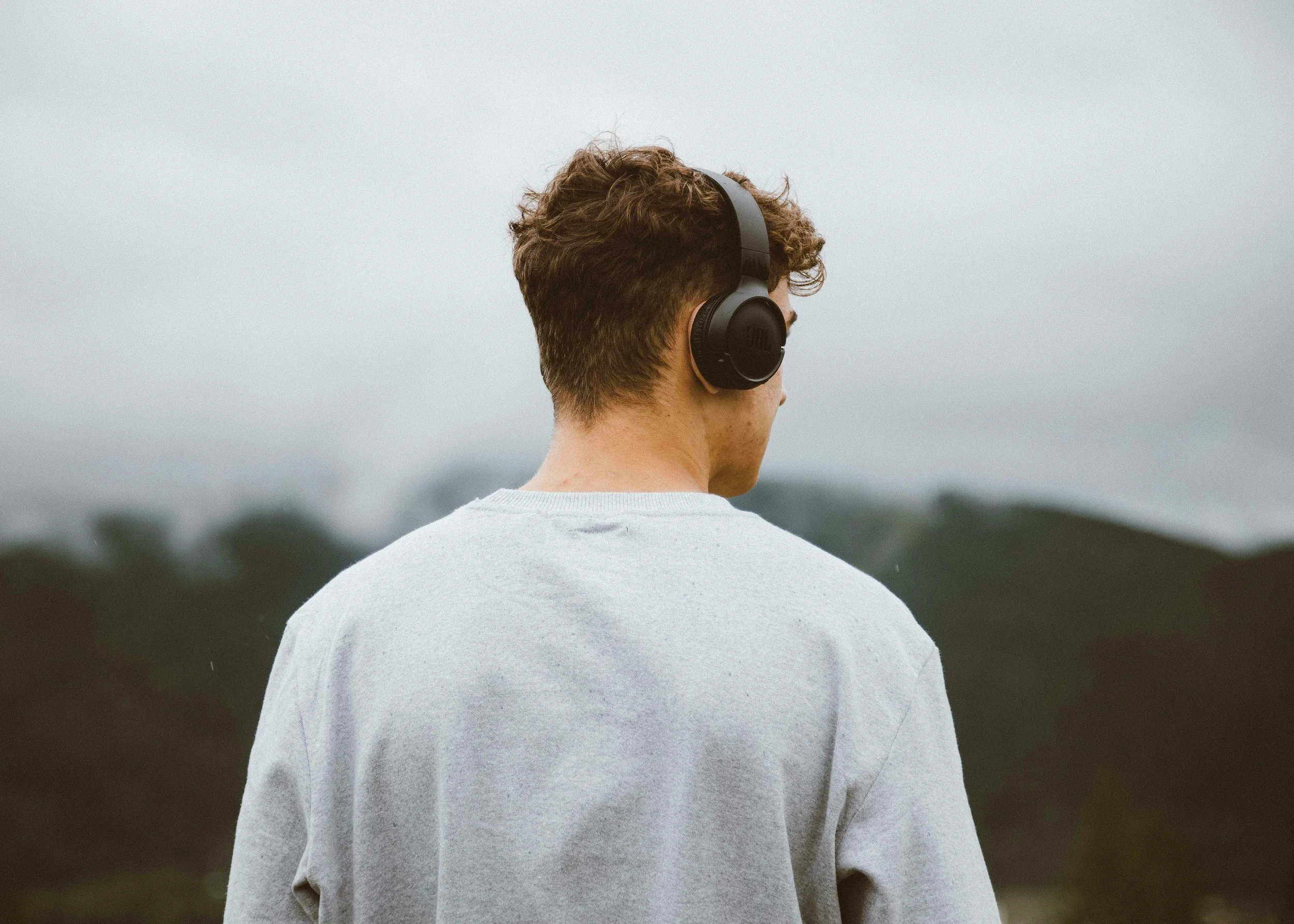
Noise canceling headphones are a great option to reduce stimulation.
6) Use sensory tools such as weighted blankets or noise-canceling headphones. On-body tools can include a butterfly hug and tapping (cross your arms over your chest so that the opposite hand is resting on its opposite shoulder. Begin gently tapping).
7) Prioritize self-care by getting adequate sleep, eating a balanced diet (I suggest low or no caffeine, sugar, and alcohol), and engage in regular physical activity.
8) Practice mindfulness and relaxation techniques such as deep breathing, meditation, and yoga. Another great way to reduce activation is providing a temperature change (run cold water over your skin or take a soothing warm shower). These can all reduce nervous system activation and bring you back into a greater sense of equilibrium.
As you can see, there are plenty of things that you can do proactively to reduce your chances of becoming overstimulated but there are also times when becoming overstimulated might take you by surprise or be unavoidable. I always advise to do what you can on the front end of the issue to prevent chances of overstimulation, but in the case that you become overwhelmed, please use some of the suggestions listed above. I am here to support you as you navigate this experience and if you’d like to schedule a session, please click on the button below.