Treating Depression Without Medication

I often have clients ask me, “Wendy, are there ways to treat depression without needing to take medication?” I always say, “Absolutely. With one caveat, if the holistic strategies are not helping, please don’t hesitate to try psychotropic medication.” For some people, these medications help tremendously and are game-changers. Life-savers, even. But, if you’re looking to try ways to treat depression without medication first, here are my top five recommendations.
Make sure your Vitamin D3 and K1+K2 levels are optimal.
You really should be getting your bloodwork done every year to gauge where your body is with this. Don’t guess, TEST! Numerous studies have shown a link between low Vitamin D levels and increased depressive symptoms. Vitamin D acts as a neurosteroid hormone that binds to receptors in the brain that can help regulate mood and emotion. It helps the brain regulate enzymes needed to produce serotonin and dopamine. These are the brain’s “feel good” chemicals. Vitamin D can also reduce inflammation in the body and brain which is highly tied to depression.
** Does it actually lower depression symptoms? Yes. Meta analysis studies have shown that low levels of Vitamin D can cause similar symptoms: low energy/fatigue, feelings of sadness and hopelessness, forgetfulness and brain fog, and sleep disturbances/appetite change. Supplementation has been shown to reduce overall depression scores. So please, work with your doctor to test first then if supplementation is recommended, find your doctor’s advice on proper dosage to improve your levels.
Exercise.
Regular exercise has a powerful effect on depression symptoms. Studies have shown that exercise can be as effective as standard antidepressant medications or psychotherapy for mild to moderate depression. Regular exercise can also make individuals 15% less likely to develop depression compared to those who are inactive. Movement and exercise is wonderful for regulating those “feel good” chemicals in your brain while also reducing the tendency to get stuck in negative thought patterns or moods. So you might be wondering what type of exercise has been proven to be beneficial?

** Walking or jogging (walk like you’re excited to be getting somewhere)
** Yoga or tai chi/qi gong
** Strength and resistance training
** Mixed aerobics and dancing
** Combining aerobics and resistance training
Start small and slow if you’re just getting into exercise. Even going from a sedentary, low movement lifestyle to a daily walk can show significant results. Consistency really does matter. Clinical studies suggest 150 minutes per week (about 20-30 minutes on an activity several times a week). Think about it - you can definitely do 20-30 minutes of walking at a decent pace a few times a week. I know with depression, you feel tired or unenergized, but think about Newton’s Law: “An object at rest stays at rest. An object in motion stays in motion.” So if you’re feeling unmotivated, I want you to actively tell yourself to stay in motion for at least 5 minutes and see what happens. My guess is after 5 minutes, you decide you can do 5 more.
Learning how to not believe every automatic thought you have.
I tell my clients, if you want to be free from depression and anxiety, you have to pay attention to the type of thoughts you’re having. Noticing your thoughts and being aware of them is the first step, but that step is not enough. It’s what you do with your thoughts that truly matters. Will you believe them? Will you recognize them as just thoughts and not facts? Our brains are often liars. I know you might not want to believe this, but it’s true. Our brains are storytellers, fact-twisters. A big part of reducing depression symptoms is not buying into every thought that crosses your mind. Maybe it’s an intrusive thought (a thought that might cause anxiety or fear or even an urge of some kind). Or maybe it’s a judgmental thought toward yourself or someone else. The key is to just recognize the chatter that thoughts are but not attach to them. I often say to myself, “It’s just a thought” and I allow myself to let it pass and move on. Non-attachment is a lovely skill to learn and allows more flexibilty and freedom for your mood. If you’re prone to negative thinking, I want you to practice finding a positive outcome or perspective to counter the negative thought. What you put energy toward will inform your mood.
Omega 3 Fatty Acids (EPA/DHA)
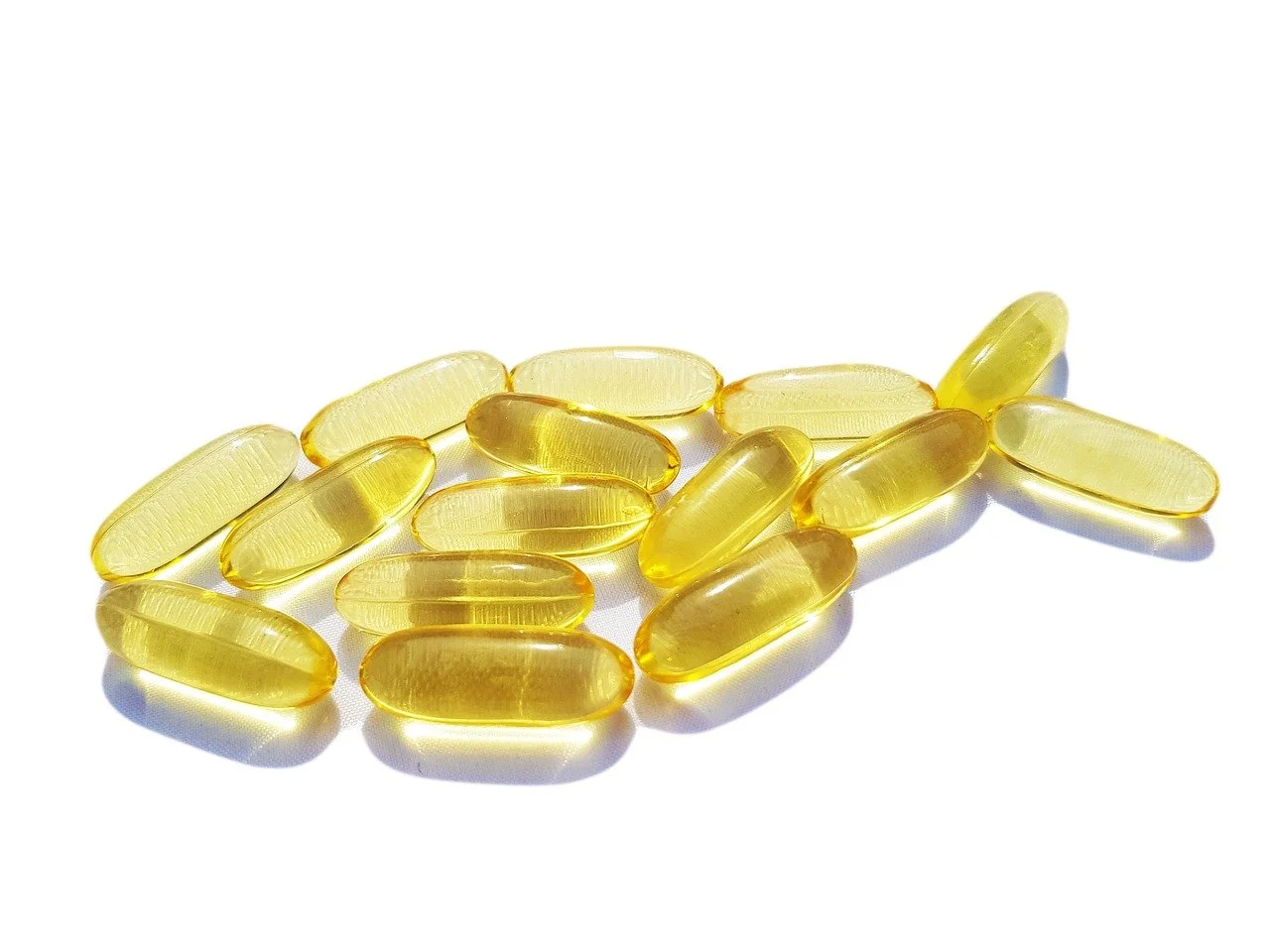
Omega 3s can help manage and reduce depression symptoms and are crucial for optimal brain functioning. They are most helpful for reducing inflammation and enhancing neurotransmitters. Depression is strongly linked to brain inflammation and Omega 3s provide very strong anti-inflammatory effects. They also modify the fluidity of brain cell membranes making it easier for serotonin and dopamine to turn over and communicate between nerve cells. Studies consistently demonstrate that supplements higher in EPA (at least 60% EPA) are most effective for treating major depression.
** What to look for: Clinical trials actively use between 1000mg and 2000mg of combined EPA/DHA so when buying a fish oil supplement, check the label on the back to make sure you’re actually getting this amount. Many capsules will only have about 300-600mg of active omega 3s. If you’d prefer to add Omega 3s to your diet, consider eating fatty fish such as wild salmon, sardines, trout, herring, or albacore tuna. There are plant-based options as well such as chia seeds, ground flaxseeds, hempseeds, walnuts, and plant oils.
EMDR (Eye Movement Desensitization and Reprocessing)
EMDR is a wonderful therapeutic modality that is particularly effective if your depression is related to traumatic or stressful life events. Studies have shown that EMDR can lower depression severity and prevent relapse occurrences. EMDR helps reprocess painful memories, adverse life experiences, and trauma that can underlie chronic or recurrent depression. It allows the individual to focus on past events or traumas that contribute to negative self-beliefs. Then using bilateral stimulation (guided eye movements or other forms of sensory stimulation), the therapy helps the brain reprocess these stuck memories so they carry less emotional charge.
Depression can feel really lonely and scary. I don’t want you to suffer or feel like you have to tackle this on your own. Trust that others want to support you and help you.
Of course there are plenty of other suggestions and recommendations for reducing depression including medication, but these are the top 5 holistic methods that I have seen to be very supportive and successful. If you’re looking to address your symptoms of depression, please start with this blog article and commit to these suggestions and see how you feel. These, alongside talk therapy and social connection, are a great place to start. If you’re looking to work on reducing your depression, please schedule an appointment with me using the link below. I look forward to helping you feel better!