How to Handle Rejection with Confidence
Okay, we all know that getting rejected stings at times. Whether a date was declined, you weren’t accepted to a job or school of your choosing, or a friend chooses someone else over you. It sucks and the emotional pain can really hurt. For some people, the fear of rejection becomes so strong that they stop taking risks for things they want. For instance, you really want to date and find a relationship but you’re so afraid of not being liked or valued that you shy away from putting yourself out there. Rejection sensitivity can really affect your daily life if you don’t start to look closer at it.
What if I told you there is a way to make rejection feel less scary? Would you believe me? That’s where rejection therapy comes in - this is a practice I have my clients do that has helped them take more social risks and reach their goals. Consider it a form of exposure therapy.
What is Rejection Therapy?
Rejection therapy, as I like to call it, is a self-improvement technique that anyone (yes, you!) can practice on their own. The goal is to make rejection feel normal, not scary. The idea is quite simple: Instead of avoiding situations where you might be told “no”, you actively look for them. You start with tiny social challenges where you expect to be rejected, gradually building up your tolerance to discomfort.
You’re not out there collecting rejections for fun, it’s simply to build your confidence, reduce social anxiety, and stop letting fear control your life. When you realize that rejection doesn’t actually hurt as much as you thought it would, it becomes easier to take the risks that matter.

How Does it Work?
If you’re interested in trying rejection therapy, I want you to understand how it works:
You seek out a social situation where you expect to be rejected
You experience the rejection (or maybe you’ll be surprised by the acceptance)
Your brain learns that risk and rejection aren’t as catastrophic as expected
As you get comfortable with small social risks, it becomes easier to increase the risk level
By repeatedly experiencing rejection in a controlled, intentional way, you become less sensitive to the emotional pain associated with rejection. This reduces avoidance behaviors and social anxiety. Think of it like building muscle - the more you practice handling small rejections, the stronger you become when facing bigger social risks. With repetition, rejection becomes less scary and more about learning and adjusting. Your brain now begins to see social situations as opportunities for growth rather than threats to avoid.
How to Practice Rejection Therapy
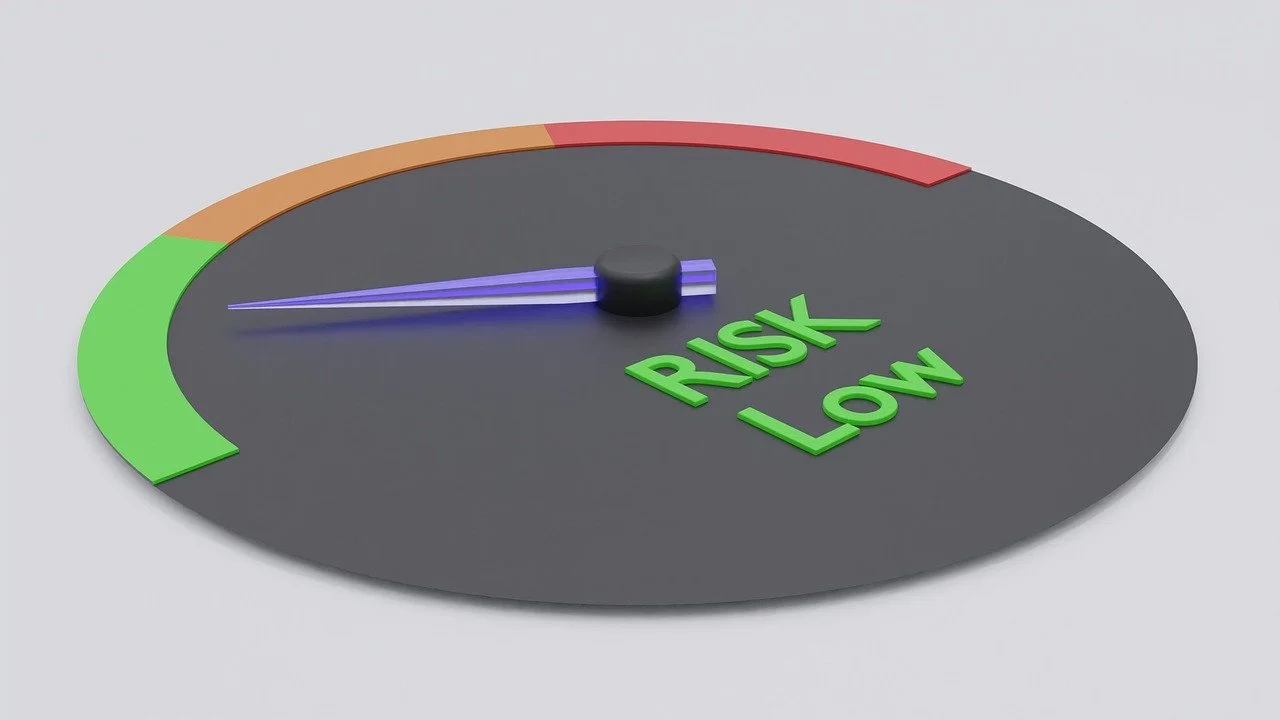
Start small and build up.
You don’t need to take big swings right away. Start with little asks that still have a risk of rejection and build to larger asks over time. Remember: other people’s responses are not a reflection of your worth. Some examples of small asks might be: asking for a discount on something you are buying, asking a stranger for the time when you can clearly see a clock nearby, ask to pet someone’s dog while they’re walking it. The medium-level risks might be: ask someone at the gym to show you how to use a machine or do a certain exercise, ask to cut the line at the grocery store, or ask for a food swap at a restaurant if a side dish doesn’t match your interest.
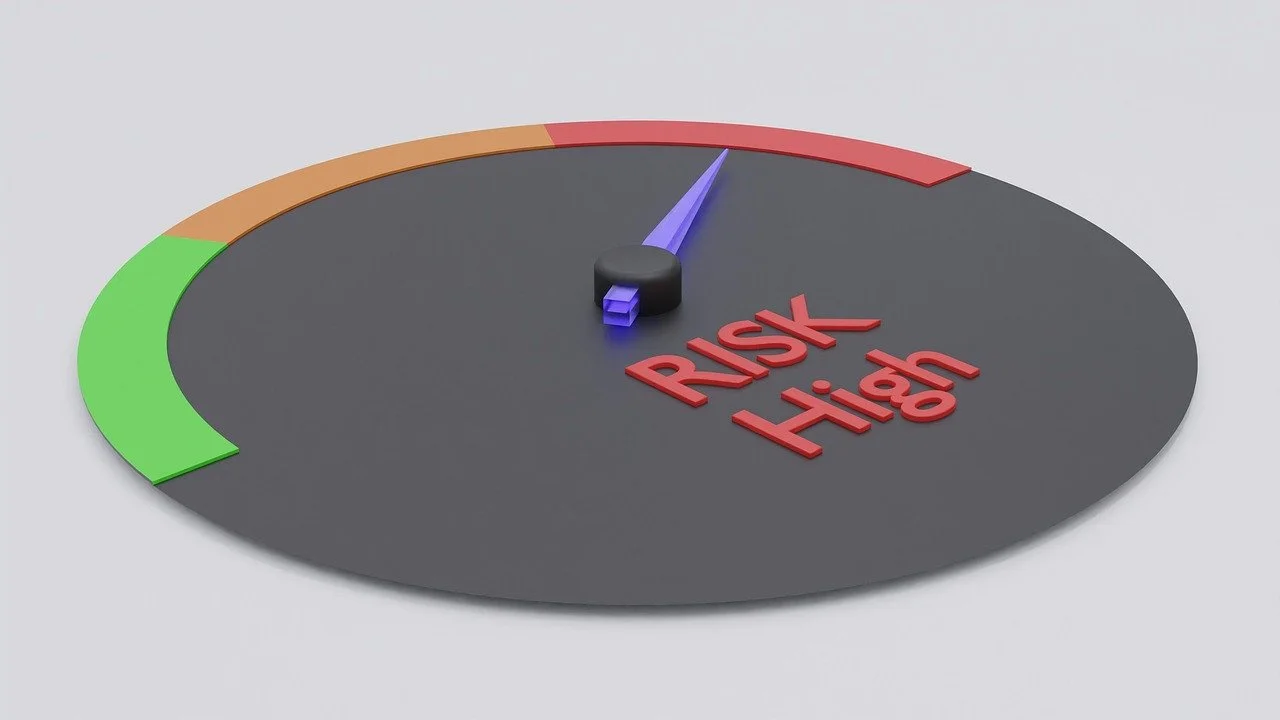
Next, the higher-level risks: ask for a job at a place you’d love to work, propose a new idea to a friend or coworker, ask someone to mentor you on something, ask someone out! These are only examples, but you can see all the possibilities!
If someone says “no” to your request, be polite. Thank them gracefully for their time. This is not about manipulating a situation to get what you want. Simply take the rejection by thanking them.
Common mistakes to avoid.
As stated above, don’t start too big. Asking your boss for a huge raise on day one will likely backfire and could harm your professional relationships. Build up gradually with small or silly asks. Also, don’t be rude or inappropriate. The goal is practice, not to make others uncomfortable. Next (and this is a big one!), do not take rejections personally! Most rejections have NOTHING to do with you as a person. People say no for countless reasons that have nothing to do with your worth or likeability.
Go with the flow. Some days, taking social risks may feel harder than others. That is very normal as you practice this and gain confidence in the process. When you stop fearing the possibility of hearing “no” control your decisions, you open yourself up to opportunities, connections, and experiences you might have missed otherwise. Every rejection is data, not a verdict on your worth. You may still feel a “sting” from rejection, but now you’ve learned how to handle it.
Turn Rejection into Something Positive
As I always say to my clients, rejection is only a form of redirection. Perhaps what you were asking for wasn’t actually what was meant for you. Lean into the belief that rejection is the universe’s guidance toward what is better suited for you. Rejection, as mentioned above, is not about your attractiveness, likeability, or value. It’s simply a signal to pivot, try something or someone else, and keep on moving forward. Rejection is not meant to be a road block, so now you can let your brain know that rejection is OK! Everyone in this world experiences rejection. It’s what you DO with the rejection that matters. You can wallow in self-pity or you reroute yourself and knock on the next door. The choice is yours.
If you’re having trouble with the fear of rejection, social anxiety, or avoidant behaviors, please reach out. I’d love to help you overcome these obstacles so you can live a life of divine purpose and happiness.